Quick Answer
Yes, last-minute MLB ticket deals are real, especially for lower-demand regular-season games and less popular postseason matchups, since unsold inventory and canceled orders often get discounted in the final hours before first pitch. The safest way to buy is through established, verified marketplaces - StubHub, SeatGeek, Vivid Seats, Ticketmaster, or AXS - that offer a buyer guarantee, rather than unverified individual sellers or in-person scalpers who can't be held accountable if something goes wrong.
Compare live listings across every remaining MLB Postseason game on the MLB Postseason Tickets hub page.
Chasing a last-minute deal can genuinely save you money, but it also comes with real risk if you're not careful about where you buy. Here's how to tell a legitimate late deal from a scam waiting to happen, and how a comparison tool - like TicketWhiz or SeatPick - can help you spot the best price without bouncing between a dozen different marketplaces yourself.
Do Last-Minute MLB Ticket Deals Actually Exist?
Quick answer: Yes - for regular-season games and lower-demand postseason matchups, ticket prices frequently drop in the final hours before first pitch as sellers try to offload inventory rather than let a ticket go unused.
Unlike a concert with a hard capacity and a single date, MLB games happen constantly throughout the season, and any individual game's remaining inventory competes with dozens of other games happening around the league that same week.
This constant competition for buyer attention is part of why regular-season tickets, in particular, can see meaningful last-minute price drops - sellers holding tickets they can't move are often better off accepting a lower price than letting the ticket go completely unused.
When Do Prices Actually Drop?
Quick answer: Prices tend to drop most noticeably in the final 2 to 4 hours before first pitch, and again right at gates-open time, as sellers with unsold inventory become more willing to accept lower offers.
This pattern holds most reliably for weeknight regular-season games with modest demand - a Tuesday game between two non-contending teams, for example, is far more likely to see genuine last-minute discounts than a marquee rivalry game or a weekend matchup between two playoff contenders. Canceled orders and returned tickets also create fresh, sometimes underpriced inventory that can appear at any point, including the same day as the game.
Does This Work for Postseason Games Too?
Quick answer: Less reliably - postseason games, especially League Championship Series and World Series games, rarely see meaningful last-minute discounts because demand consistently outstrips supply, though Wild Card and Division Series games for less popular matchups can occasionally soften slightly closer to game time.
Given how sharply postseason pricing escalates by round - something we cover in detail in our MLB postseason ticket pricing guide - it's worth setting realistic expectations. A last-minute strategy that works well for a random Tuesday regular-season game is far less reliable once you're talking about a Championship Series or World Series game, where demand has historically stayed well above available supply throughout the entire buying window.
Which Platforms Are Safe to Buy From?
Quick answer: Established marketplaces with a buyer guarantee - including StubHub, SeatGeek, Vivid Seats, Ticketmaster, AXS, and Gametime - are the safest options, since they verify sellers and offer recourse if a ticket turns out to be invalid.
The key feature to look for isn't necessarily the platform's brand name, but whether it explicitly offers some form of buyer protection or guarantee - meaning if a ticket doesn't work or was never valid, the platform commits to either replacing it or refunding your money.
Platforms built specifically around last-minute or same-day ticket buying, like Gametime, can also be worth checking, since their entire model is built around exactly this kind of late-window purchase.
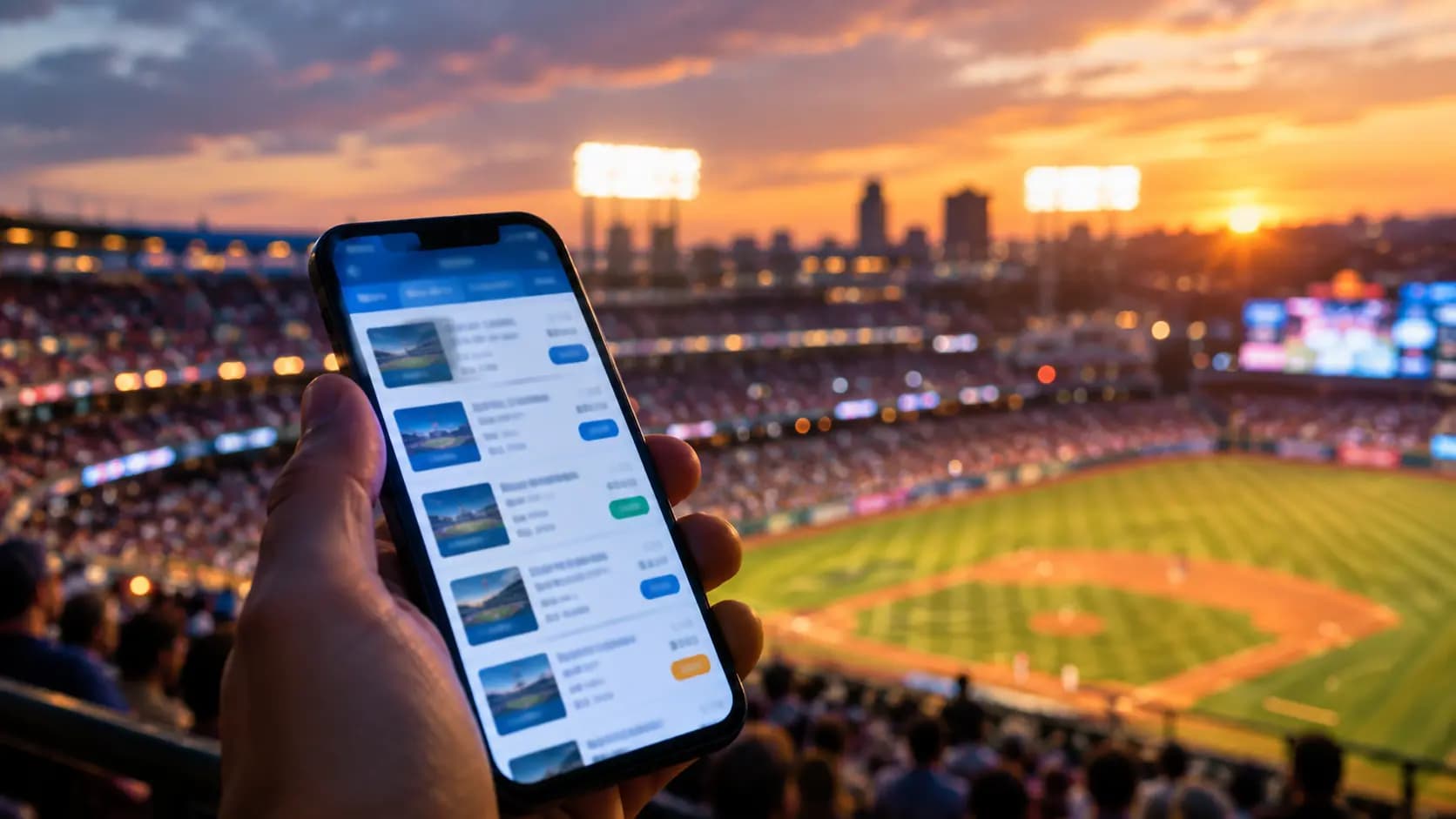
Rather than checking each of these marketplaces one by one, an aggregator or comparison tool - like TicketWhiz or SeatPick - pulls listings from multiple trusted sellers, including StubHub, SeatGeek, and Vivid Seats, into one place. This makes it easier to spot which platform actually has the best last-minute price for the specific game you're after, without bouncing between five different tabs yourself.
What Are the Warning Signs of a Ticket Scam?
Quick answer: The biggest red flags are a seller asking for payment outside the platform itself (via cash app, wire transfer, or direct payment), a deal that seems dramatically cheaper than every other listing for the same game, and any pressure to complete the purchase immediately without normal verification steps.
• Any request to pay outside the official platform - this is the single most common pattern behind fraudulent ticket sales.
• A price so far below every other listing for the same section that it doesn't make sense compared to the rest of the market.
• Sellers who refuse to use a platform's official ticket transfer system and instead want to send a screenshot or PDF directly.
• Urgency-based pressure tactics, like claiming the deal will disappear in the next few minutes if you don't act immediately.
• No verifiable seller history, reviews, or ratings on the platform you're using.
What's the Difference Between a Verified Resale Ticket and a Risky One?
Quick answer: A verified resale ticket is transferred through the platform's own system - meaning it's tied to a real account and can be tracked - while a risky ticket is typically a screenshot, PDF, or barcode sent directly by an unverified individual with no accountability if it turns out to be invalid or already used.
Most major marketplaces now use official mobile transfer systems (such as Ticketmaster's SafeTix or similar systems on other platforms), which generate a rotating barcode that only becomes visible shortly before the event and cannot be duplicated or reused once scanned.
A ticket that arrives as a static screenshot or PDF, rather than through one of these transfer systems, carries meaningfully higher risk of having already been sold to someone else or being outright fraudulent.
Should You Buy From a Scalper Outside the Stadium?
Quick answer: It's generally not recommended - in-person scalper purchases offer no buyer protection, no way to verify the ticket is valid before handing over cash, and no recourse if the ticket doesn't scan at the gate.
While in-person, day-of-game ticket buying does sometimes offer genuinely low prices - especially outside a stadium right before first pitch when scalpers are trying to unload remaining inventory - the complete lack of any safety net makes this one of the riskiest ways to buy. If a ticket doesn't work at the gate, there's no platform to appeal to and no guarantee to fall back on, unlike a verified marketplace purchase.
How Close to Game Time Should You Wait?
Quick answer: For regular-season games with modest demand, waiting until 2 to 4 hours before first pitch often captures the best last-minute pricing, though this strategy carries the risk that a specific section or seat you want could sell out before you buy.
This is fundamentally a trade-off between price and certainty. Buying earlier guarantees you'll get into the game and gives you your choice of section, while waiting later can save money but risks the game selling out entirely or losing access to your preferred seating area.
For games you're genuinely flexible about attending, waiting is a reasonable gamble; for a specific game you don't want to miss, buying with more lead time removes that risk.
What Should You Do If Something Goes Wrong?
Quick answer: If a ticket doesn't work or turns out to be invalid, contact the platform's customer support immediately - established marketplaces with a buyer guarantee are contractually obligated to either find you a replacement ticket or issue a refund.
This is exactly why buying through a verified marketplace matters so much more than the price difference might suggest. A slightly higher price on a guaranteed platform is genuinely better value than a slightly cheaper ticket from an unverified source with zero recourse if it doesn't work - especially for an event you've already traveled to attend.
Conclusion
Last-minute MLB ticket deals are genuinely real, particularly for regular-season games with modest demand, but chasing one requires knowing where the actual savings show up and how to avoid the scams that tend to circle around exactly this kind of deal-seeking behavior.
Sticking to established, verified marketplaces with a buyer guarantee is worth far more than the small savings you might find from an unverified seller - especially once you factor in the risk of a ticket simply not working.
If you're specifically eyeing the postseason, keep in mind that this last-minute strategy works far less reliably there - see our breakdown of how much MLB postseason tickets actually cost by round and how long a postseason game typically runs to plan accordingly.
Ready to compare current listings for an upcoming game? Browse live pricing on the MLB Postseason page.
Frequently Asked Questions
Are last-minute MLB ticket deals real?
Yes, especially for lower-demand regular-season games, where prices often drop in the final hours before first pitch as sellers try to offload remaining inventory.
What time do MLB ticket prices usually drop the most?
Prices tend to drop most noticeably in the final 2 to 4 hours before first pitch, and again around gates-open time.
Do last-minute deals work for postseason games?
Less reliably - postseason demand, especially for Championship Series and World Series games, typically stays high throughout the buying window, though less popular Wild Card or Division Series matchups can occasionally soften slightly.
What's the safest way to buy MLB tickets last minute?
Established marketplaces with a buyer guarantee - such as StubHub, SeatGeek, Vivid Seats, Ticketmaster, and AXS - are the safest option, since they verify sellers and offer recourse if a ticket is invalid.
What are the biggest red flags of a ticket scam?
Requests to pay outside the platform, prices dramatically below every other listing, refusal to use official ticket transfer systems, and high-pressure urgency tactics are all major warning signs.
Is it safe to buy from a scalper outside the stadium?
It's not recommended, since there's no buyer protection or way to verify the ticket is valid before paying, and no recourse if it doesn't work at the gate.