
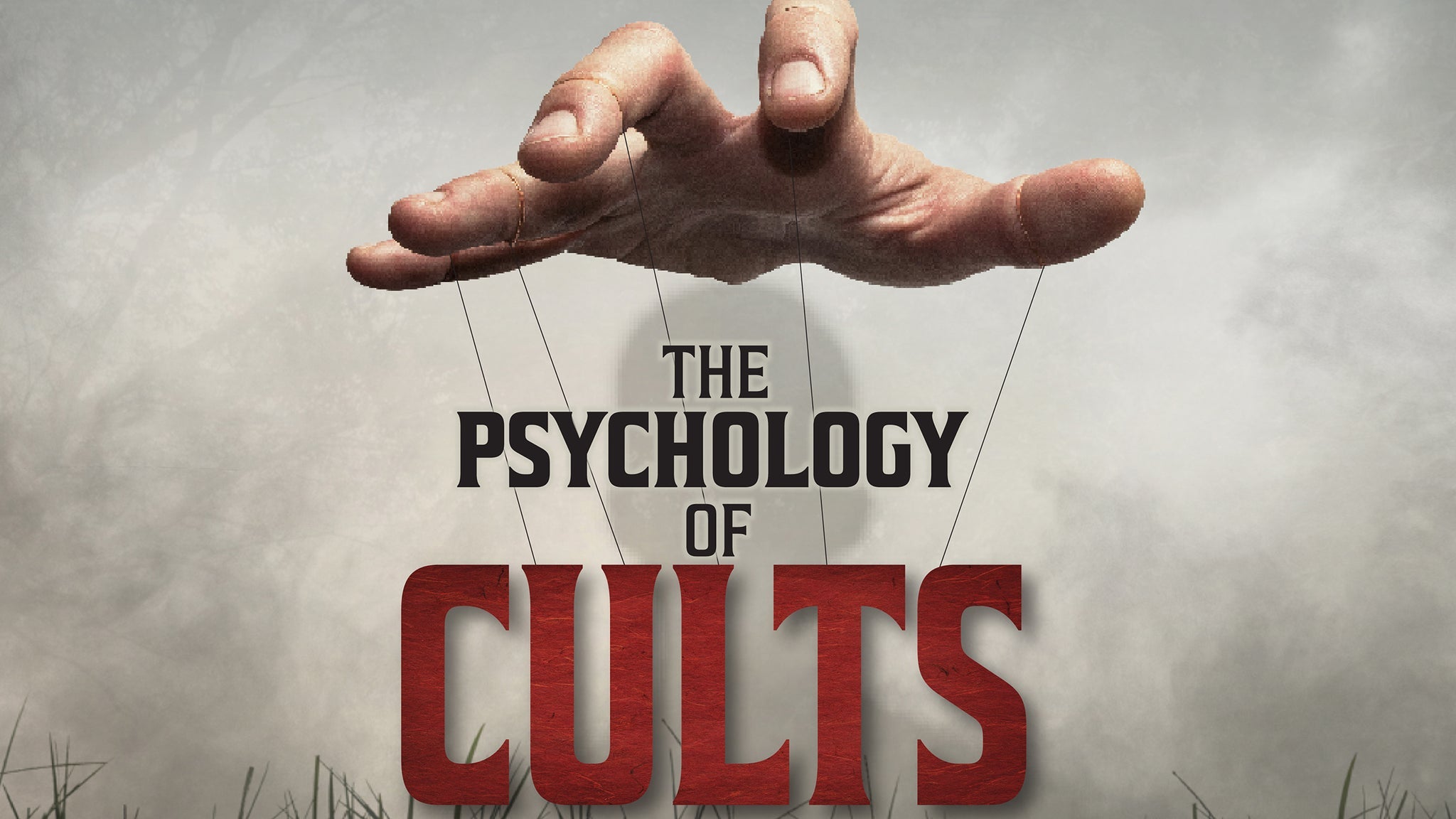
The psychology of cults is a fascinating and complex subject. It delves into the minds of individuals who join these groups, the dynamics within the cult, and the reasons behind their often extreme behaviors. Understanding the psychology behind cults can help us grasp why people are drawn to them and how they maintain control over their members.
Cults, by their nature, are secretive and often operate outside the bounds of mainstream society. They typically have a charismatic leader who exerts significant influence over the group. This leader often claims to have special knowledge or spiritual insights, which they use to recruit and maintain followers. The psychology of cults examines how these leaders manipulate psychological principles to gain and keep power.
Joining a cult can profoundly impact an individual's psyche. Members often experience a sense of belonging, purpose, and identity that they may have lacked before. However, this comes at the cost of personal autonomy and critical thinking. The cult's environment can lead to isolation from family and friends, manipulation, and even brainwashing. By studying the psychology of cults, we can better understand these dynamics and potentially help those affected by them.