
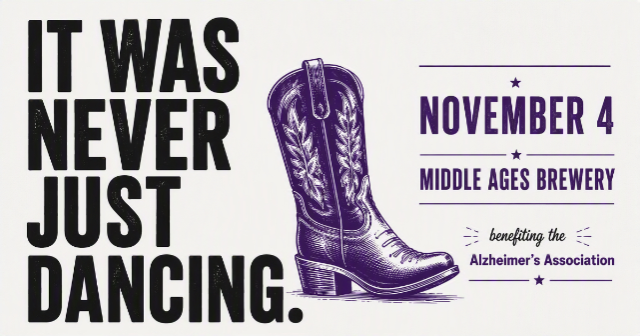
Line dancing has its roots in traditional folk dances and country music. It emerged as a distinct style in the 1920s and 1930s, gaining traction in the Southern United States. This energetic dance form involves dancers following a sequence of steps in lines or rows, often to upbeat country music.
Over the decades, line dancing has evolved into a popular social activity, celebrated for its simplicity and inclusivity. It became a mainstream sensation in the 1990s, thanks to the success of country music videos and dance-focused television shows. Line dancing now enjoys a global following, with dedicated dance studios and events worldwide.
Today, line dancing remains a vibrant and accessible dance form. Attending a line dance event means joining a community of dancers of all ages and skill levels. The atmosphere is lively and welcoming, with instructors guiding beginners through the steps. Participants can expect a fun, energetic experience that celebrates music, camaraderie, and the joy of dance.